What you may hear
Palos you may hear in Alicante
Six flamenco palos you may hear at a tablao show in Alicante: soleá, alegrías, bulerías, tangos, seguiriyas and tarantas, and what each one sounds like.
Book flamenco in Alicante ↗Quick answer
A palo is a named style within flamenco, and Wikipedia counts more than 50. A tablao programme in Alicante may draw on soleá, alegrías, bulerías, tangos, seguiriyas or tarantas, but programmes change with the night's artists, so no style can be promised for a given date or a given evening.
What a palo is
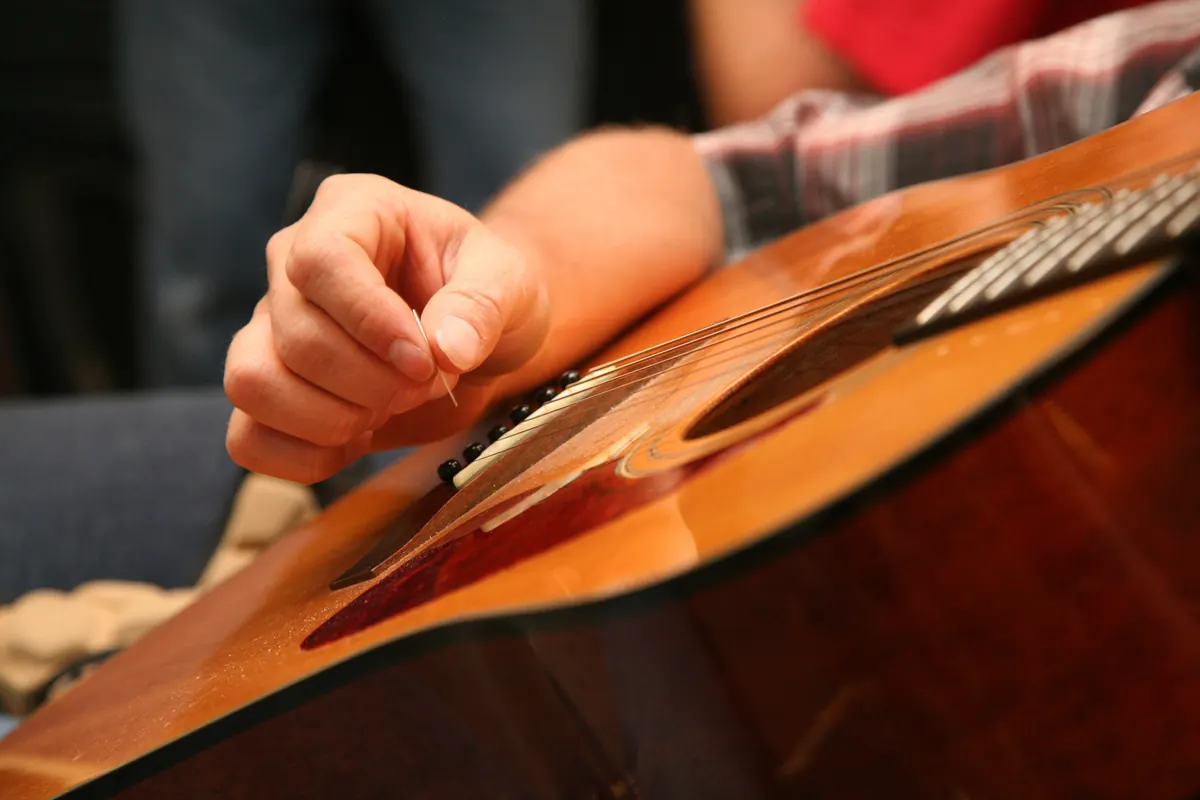
Wikipedia treats a palo as one of flamenco's traditional musical forms, a label it calls popular and sometimes inconsistent for grouping songs by shared traits. It counts more than 50 palos and lists three traditional groups: cante grande, cante intermedio and cante chico. For a listener, a palo is a mood plus a rhythm. Some follow a cycle of twelve beats called the compás, some move in four, and some keep no fixed beat at all. A few names help you follow the evening even when the programme is not announced.
Soleá
Wikipedia calls soleá a basic palo, usually accompanied by one guitar, with a compás of 12 beats that mixes triple and duple groupings. The lyrics are generally serious and solemn, often expressing intimate pain. Its origins are unknown, and Wikipedia links it probably to the Calé Romani community of Cádiz or Seville. It also notes that soleá is sometimes called the mother of palos, though it is not the oldest form and not every palo derives from it. If a piece sounds deliberate and weighty, soleá is a good guess.
Alegrías
Alegrías comes from Cádiz, belongs to the cantiñas group and is similar to soleares, says Wikipedia. The name means joys. It runs on a 12-beat cycle and is usually lively, with faster versions suited to dancing and slower ones to singing alone. Wikipedia lists the parts of a traditional alegrías dance in sequence: entrance (salida), walkaround (paseo), silencio, castellana, zapateado and finally bulerías. A dance that opens with an entrance and closes in quickening footwork may be alegrías.
Bulerías
Wikipedia says bulerías is not constrained to the typical 12-beat scheme of soleá and can also include 6-beat and 3-beat sections. It files the palo under cante chico. For the listener this loose, flexible beat is the thing to notice: the rhythm can shift in the middle of a piece. Bulerías is among the palos Wikipedia names as best known, which makes it a reasonable one to expect, though no ticket can promise it.
Tangos
Tangos flamencos are in 4/4, a steady, danceable pulse, and Wikipedia calls them one of flamenco's most important dance forms, appearing in social gatherings, tablaos and theatre. It says tangos often close a set in tablaos. Their exact origins are uncertain, with the Instituto Andaluz del Flamenco placing early development between Cádiz and Seville. Despite the shared name, tangos flamencos and Argentine tango are distinct traditions: the Instituto says they have no direct relationship. If the room starts clapping on a steady four, you are probably hearing tangos.
Seguiriyas
Wikipedia says seguiriyas follow a 12-beat pattern, with the strong beats placed differently from soleá, and it files the palo under cante grande, a group that it says soleares and siguiriyas share and that is sometimes called cante jondo. Wikipedia files soleares and siguiriyas together under cante grande, so if soleá sounded weighty to you, expect the same gravity here. As with every palo in this guide, whether it appears depends on the programme.
Tarantas
Tarantas originated in Almería province, according to Wikipedia. It is a cante libre, with no fixed compás or regular beat, and it can be sung or played on guitar but not danced. Its relative, the taranto, has a regular 2/4 meter and is danceable. Studio Flamenco groups tarantas among the cantes de Levante, a family of flamenco songs from eastern Andalusia, from Almería to Valencia. Of the six, it is the one Studio Flamenco ties to the east of Spain, though the booking page does not promise it.
How to use this list
Treat these six names as listening hints. The booking page for El Mentidero describes singing, guitar and dance but does not publish a running order, and programmes change with the artists on a given night. You may hear all six, none, or others that are not on this list, such as fandangos or malagueñas. If a performer announces a palo, the name above will help you place it, and a song's rhythm will often tell you more than its title. The tablao guide on this site explains the room you will hear it in.
Read next: What is a tablao?
Frequently asked questions
What is a palo?
One of flamenco's traditional musical forms. Wikipedia counts more than 50.
Will I hear all six styles?
Not necessarily. The programme changes with the night's artists, so no style can be promised.
Is tangos the same as Argentine tango?
No. They are distinct traditions, and the Instituto Andaluz del Flamenco says they have no direct relationship.
Which palo is nearest to Alicante?
Tarantas, which Studio Flamenco files among the cantes de Levante, the eastern family of flamenco songs.
Sources