Start here
Flamenco in Alicante: is it real?
Can you see real flamenco in Alicante? Yes, at a tablao in the port. What a tablao is, how flamenco spread beyond Andalusia and what El Mentidero sells.
Book flamenco in Alicante ↗Quick answer
Yes. The ticket this site covers is a live flamenco show at Tablao Flamenco El Mentidero in the Port of Alicante, with singers, guitarists and dancers. Flamenco began in Andalusia, so Alicante is a place to watch the art, not the place it grew up. Tablao venues spread through Spain from the 1960s, which is why a show like this can be booked in a port city.
The short answer
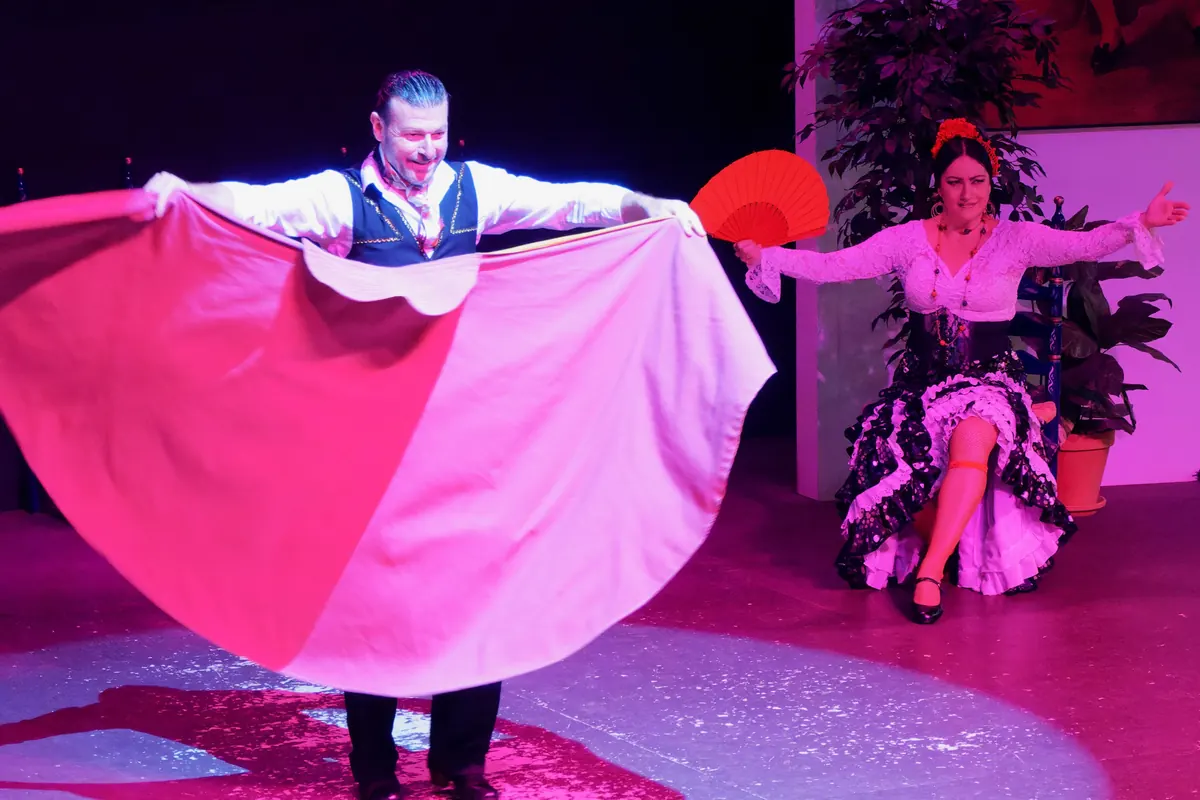
Yes, you can see real flamenco in Alicante. The ticket this site covers is a live show at Tablao Flamenco El Mentidero, in the Port of Alicante, with singers, guitarists and dancers. Flamenco began in Andalusia, so Alicante is a place to watch the art, not the place it grew up, and that difference shapes what you should expect. You are choosing a staged evening at a tablao, in a coastal city that visitors know for its castle, its beaches and its palm-lined promenade. The rest of this guide explains what makes a show real, what a tablao is and where this one fits.
Where flamenco comes from
UNESCO names Andalusia, in the south of Spain, as the heartland of flamenco, with roots as well in places such as Murcia and Extremadura. Its text gives the Gitano community an essential part in shaping the art, and says it is passed on by artist dynasties, by families, by social groups and by clubs devoted to it. Wikipedia sketches an art built on southern Spain's folk music and grown within Andalusian Gitano culture. UNESCO also lists religious festivals, rituals and private celebrations among its settings, and put it on its heritage list in 2010. Alicante is not part of that story, so read the port show as an evening at a tablao.
How it spread across Spain
Wikipedia reports that from 1920 to 1955 flamenco was taken into bullrings and theatres as flamenco opera, which carried it across Spain and into big cities abroad. The tablao arrived afterwards: Wikipedia places its development in the 1960s, nationwide, in the slot once held by the cabaret-style cafés cantantes. Spain's tourist board now names Madrid, Barcelona and Murcia alongside Andalusia as places to see flamenco, and says Madrid stages shows in theatres and tablaos around the clock. Seeing flamenco in a tablao outside Andalusia is therefore ordinary, and the Port of Alicante is one more place that offers it.
What a tablao is
Wikipedia describes the tablao as a place that stages flamenco shows, most of them in Andalusia, many on the coast or in larger cities. Typical decor is Spanish: embroidered silk shawls, portraits of famous people, bullfighters' costumes and capes. Drinks are poured, and a few venues add tapas samples or a whole Spanish meal. Spain's tourist board pictures a traditional tablao as an intimate room or small theatre. Wikipedia also cautions that what you pay can be hard to compare, so check exactly what a ticket covers before booking.
- Singers, guitarists and dancers, sometimes percussion
- Drinks served, with tapas or a meal at some venues
- An intimate room or a small theatre
Read next: What is a tablao?
Where Alicante fits
Spain's tourist board lists Andalusia, Madrid, Barcelona and Murcia as places to see flamenco, and Alicante is not among them. That is no reason to skip a show, but it sets the right expectation: treat the port show as a night at a tablao in a port city, not a visit to a barrio where the songs were born. Murcia is a different story. UNESCO lists it among the regions where flamenco has roots, and Spain's tourist board says Murcia fused Andalusian flamenco with the cantes and fandangos of its mining towns. The cantes de Levante guide on this site explains that eastern sound.
Read next: Cantes de Levante, explained
What the ticket buys
The ticket is for Tablao Flamenco El Mentidero at Muelle de Levante 6. You choose between the show alone and the show with a Spanish tapas tasting menu, and drinks are not included with either. The booking page promises clear stage views from every seat and describes tables near the stage in a premium area. It gives the length as 1 to 2.5 hours, depending on the option, lists wheelchair access and says children under 5 are not admitted. The next guide compares the two tickets in detail, so you can choose the one that fits your evening.
Read next: Show only or tapas at the tablao
What makes a show real flamenco
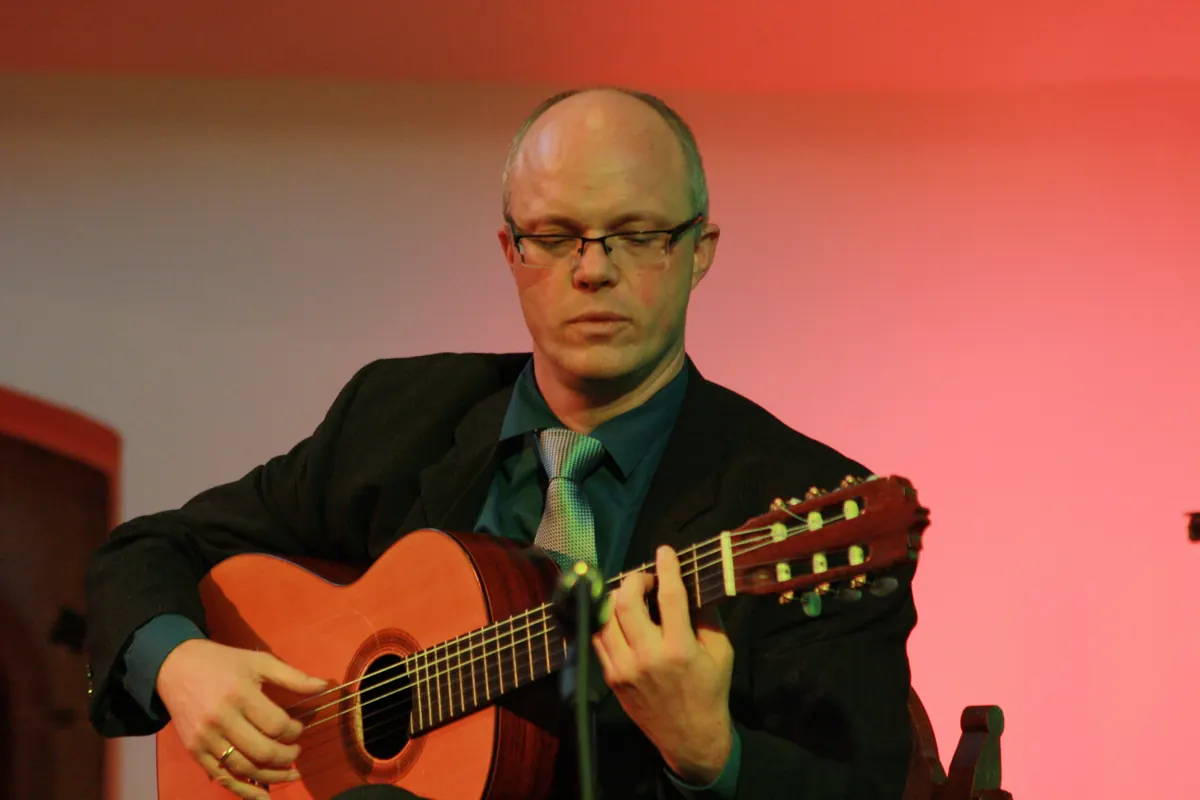
No authority certifies a flamenco show, so use the definitions of the art itself. UNESCO describes flamenco as the fusion of song, dance and guitar playing, with handclaps and foot-stamping among its performance elements. Wikipedia calls the singer a cantaor and describes flamenco dance by its emotional intensity, its proud bearing, its expressive arms and its rhythmic footwork. Three checks follow from those descriptions: the music is played live, all three arts are present, and the performers are professionals. The booking page describes live singers, guitarists and dancers, and says the ticket is an entry to a show with professional artists.
- Live music, not a recording
- Song, guitar and dance together
- Professional performers
- Handclaps and foot-stamping as part of the sound
What you may hear and see
A flamenco programme moves through palos, the traditional musical forms. Wikipedia counts more than 50 and names alegrías, bulerías, fandangos, malagueñas, seguiriyas, soleares, tangos and tarantos among the best known. The audience takes part in small ways: Wikipedia says calls such as olé encourage the singers and dancers. It also discusses duende, the Spanish dictionary's gloss for Andalusia being a mysterious, ineffable charm, as the quality performers are said to have when it arrives. You may hear the word after a show, and you may hear handclaps, called palmas, from the performers themselves. The palos guide on this site lists six styles to listen for, with the reminder that programmes change from night to night.
Read next: Palos you may hear in Alicante
The port around the tablao
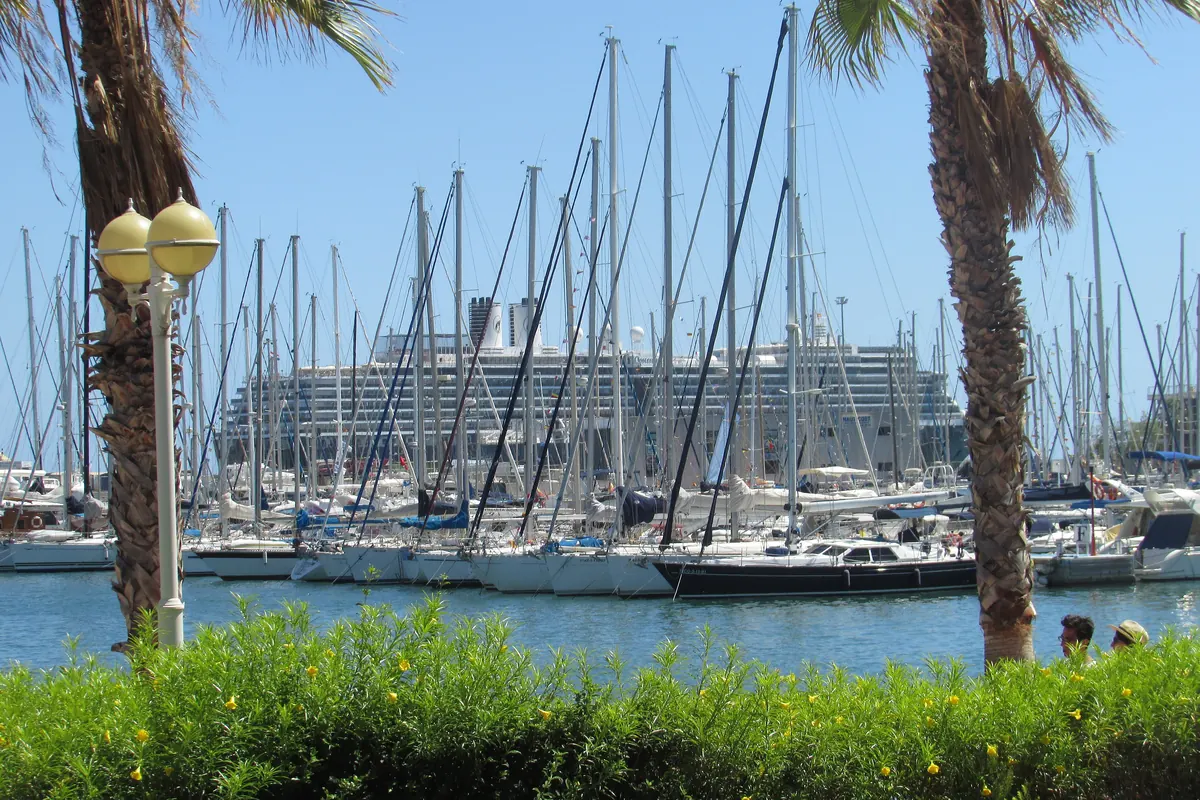
Barceló's guide says the port runs alongside the Explanada de España and sits at the foot of Santa Bárbara Castle. It says the Marina Deportiva, built in 1999, has 748 berths and is the port's most lively section, holding most of the entertainment venues, which fill up after nightfall. It also says the port's status as a maritime port dates to 1271, under Alfonso X of Castile. A flamenco tablao fits the marina's evening character, and the Explanada, which the guide calls the best way to reach the port on foot, makes the arrival part of the outing.
Choosing a date
Begin with the date and read the start time next to it, because that time is repeated on your confirmation. Show only suits a visitor who has eaten, or will eat, somewhere else; the tapas ticket suits someone who wants supper and the show in one place. The booking page summarises traveller reviews as praise for skilled musicians and passionate dancers, while some readers ask for clearer directions to the entrance. A booking cancelled with a day's notice is refunded in full, and a seat can be held with no payment today. Fit dinner, the walk and the trip home around that start time.
Who this isn't for
Spain's tourist board names Seville, Jerez, Granada and Córdoba as Andalusia's best-known centres; a traveller after flamenco in its heartland is better off spending an evening there. This is not a dance class, not a festival programme and not a long sit-down dinner. It is also not for children under 5, who are not admitted, nor for anyone who expects drinks to be included. For a meal in the same sitting, read the tapas details in the next guide first.
Frequently asked questions
Is the flamenco in Alicante real?
Yes, in the way that matters at a show: live singing, guitar and dance by professional artists. Flamenco began in Andalusia, so Alicante is a place to watch it, not the place it grew up.
What is a tablao?
A place that stages flamenco shows; the word is also used for the dancer's raised wooden stage.
Is Alicante known for flamenco?
Spain's tourist board names Andalusia, Madrid, Barcelona and Murcia for flamenco, not Alicante. A tablao show is how visitors see it there.
Where is the El Mentidero show?
At Muelle de Levante 6, in the Port of Alicante.
Are drinks included?
No. Neither ticket includes drinks, so you buy them at the venue.
Can children go?
Not children under 5.
Sources